
From Bedroom Producer to Afterlife & Drumcode: The Massano Story
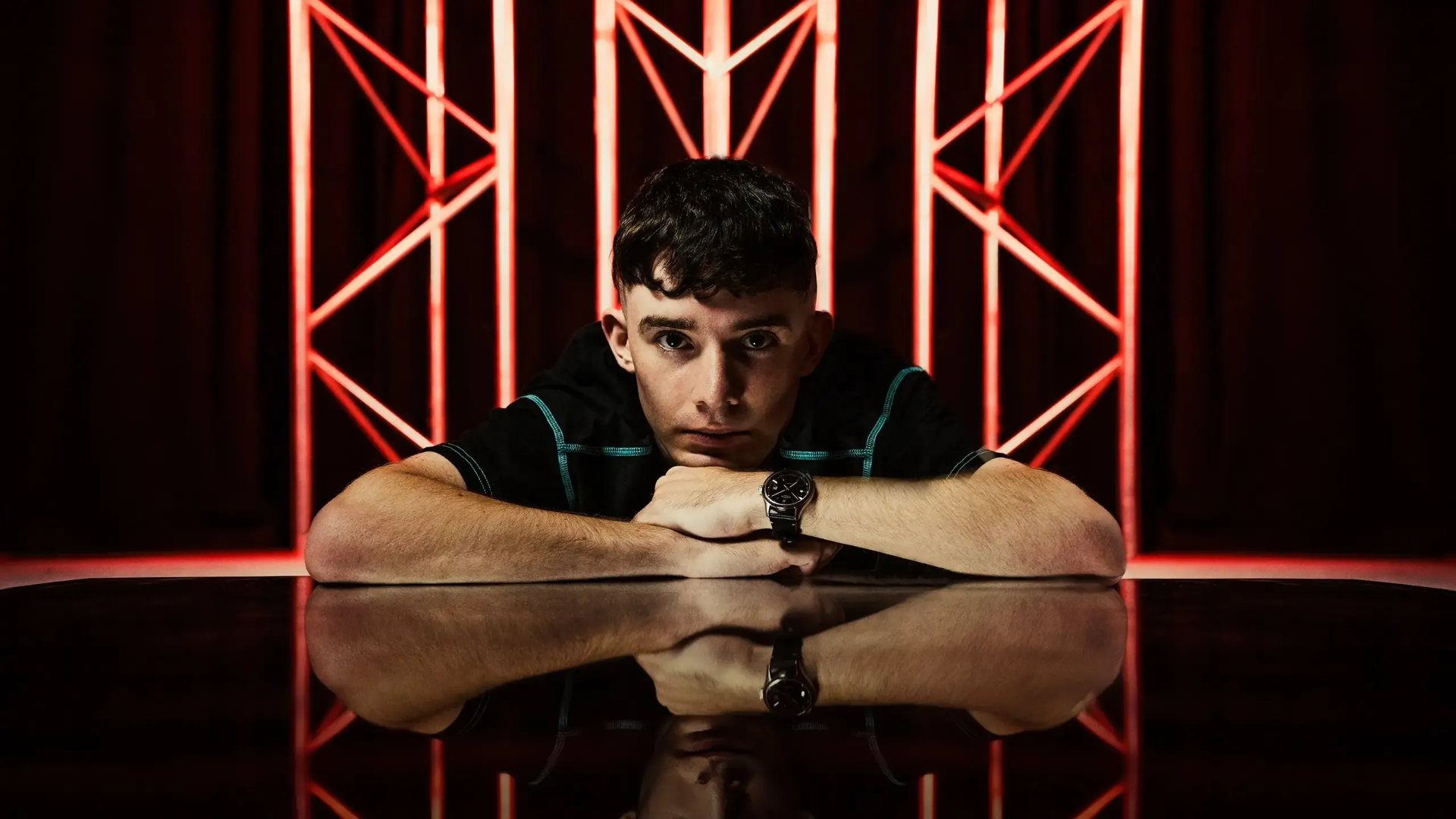
Apr 27, 2026There are a few names in electronic music right now that genuinely stop rooms. Massano is one of them. In the space of a few years, Sam Rose — a young producer from the outskirts of Liverpool — went from producing in his bedroom with no label connections and no industry foothold, to releasing on Afterlife and Drumcode, collaborating with CamelPhat, founding his own imprint, and performing at some of the most prestigious events on the planet. Mind Against tested his music at Afterlife Madrid. His debut EP on Afterlife hit number one on the Beatport Releases chart. Pete Tong featured him on BBC Radio 1. Tomorrowland came calling.
The question that keeps circling in the underground community is simple: how did that happen so fast?
This is the story of Massano. And it starts, like almost every great story in this industry, in the frustration of invisibility.
Where It All Started
Sam Rose didn't grow up with a plan to become one of the world's most sought-after melodic techno producers. He grew up on the outskirts of Liverpool, working on his family's farm and in local restaurants, listening to his father play tracks like Faithless' "Insomnia" on car rides. That early exposure planted something — he still describes his first Faithless concert at age 11 as a moment of genuine bewilderment: people losing themselves in the music, something about it making sense even when he couldn't fully articulate why.
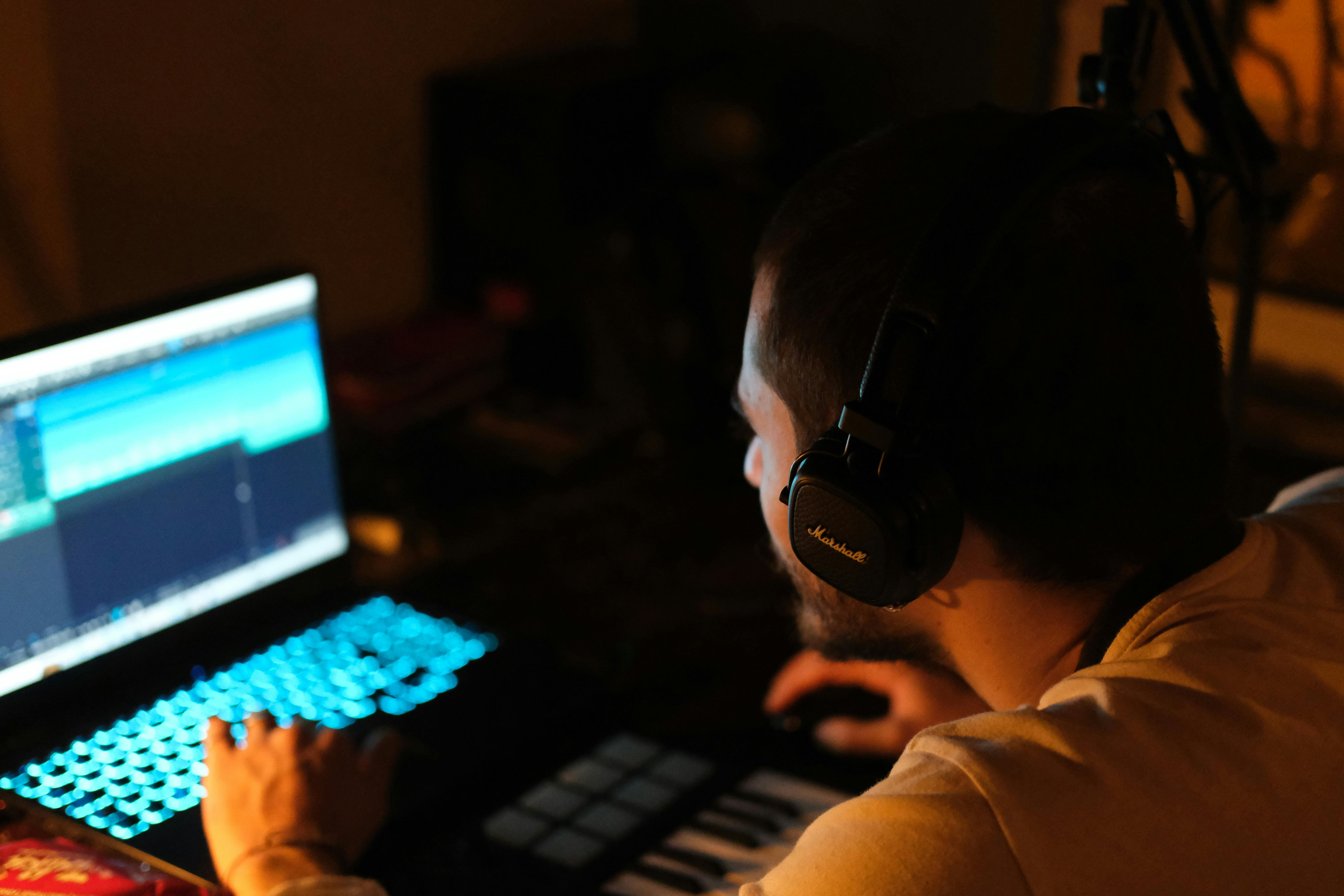
By university in Lancaster, he started teaching himself to produce. But for a long time, it was aimless. Twice a week, maybe. No real structure, no roadmap, no one in his corner telling him what to work on or why. He applied for music industry internships — Universal Music Group among them — and was told he didn't have enough experience. A circular trap that will feel painfully familiar to a lot of aspiring producers reading this.
The frustration of that period isn't just about rejection. It's about not knowing what the gap actually is. You can hear what the music should sound like in your head. The gulf between that internal vision and what's coming out of your speakers feels impossible to close when you're working alone, without honest feedback, without a framework, and without anyone who's actually been inside the industry pointing you toward what matters.
Finding MYT
The shift came when Sam Rose started working with Paul James Nolan — the founder of MYT (Make Your Transition), an artist development platform built specifically for electronic music producers serious about a career in the industry.
Paul isn't a content creator packaging generic advice into courses. He's a working electronic music professional with 17 years of coaching experience, a background performing for legendary events like Cream, and a track record of working alongside names like Sasha, JunkieXL, Arthur Baker, and The Martinez Brothers. He built MYT from deep inside the scene — not as an observer, but as a practitioner who understood exactly what separated producers who broke through from those who kept spinning their wheels.
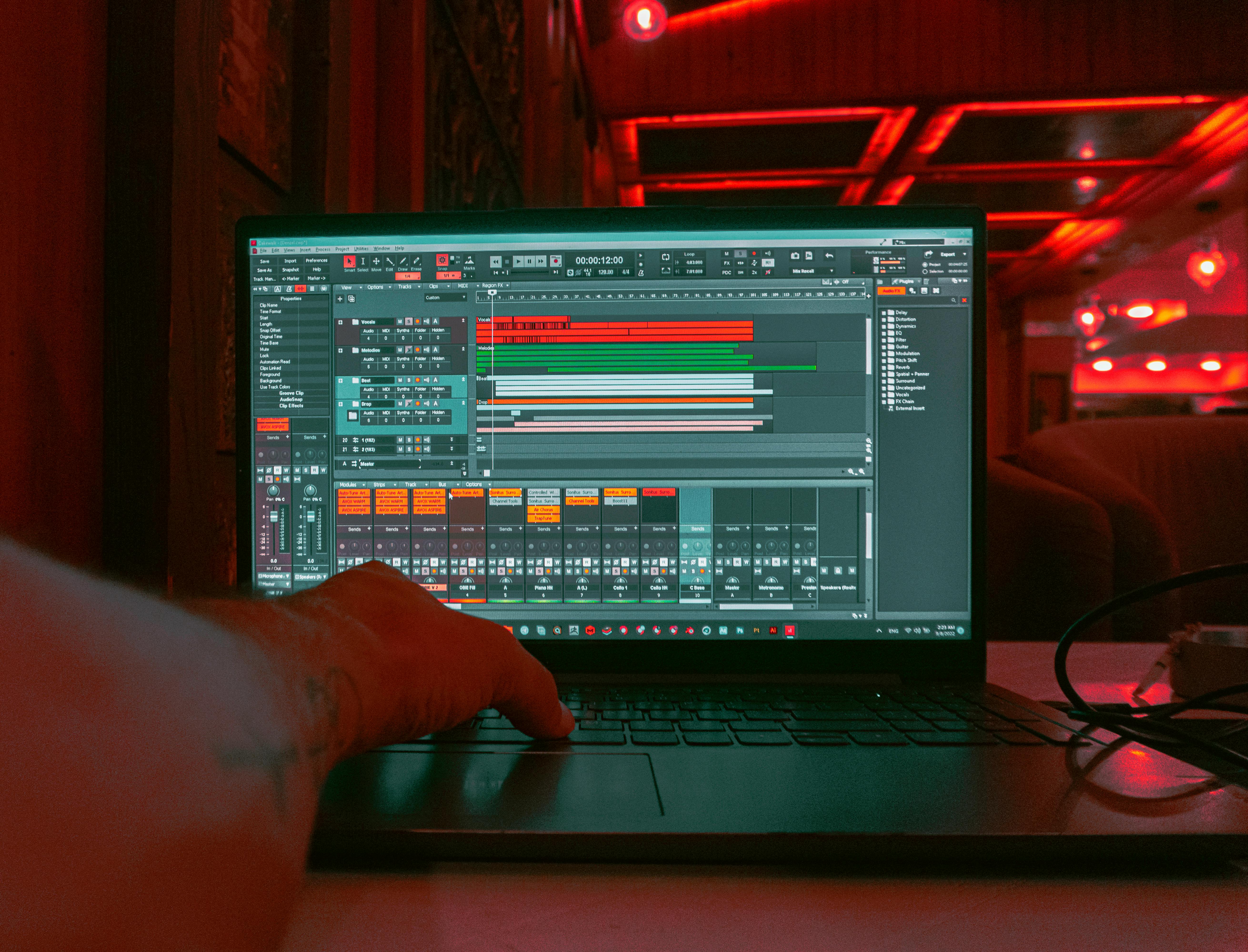
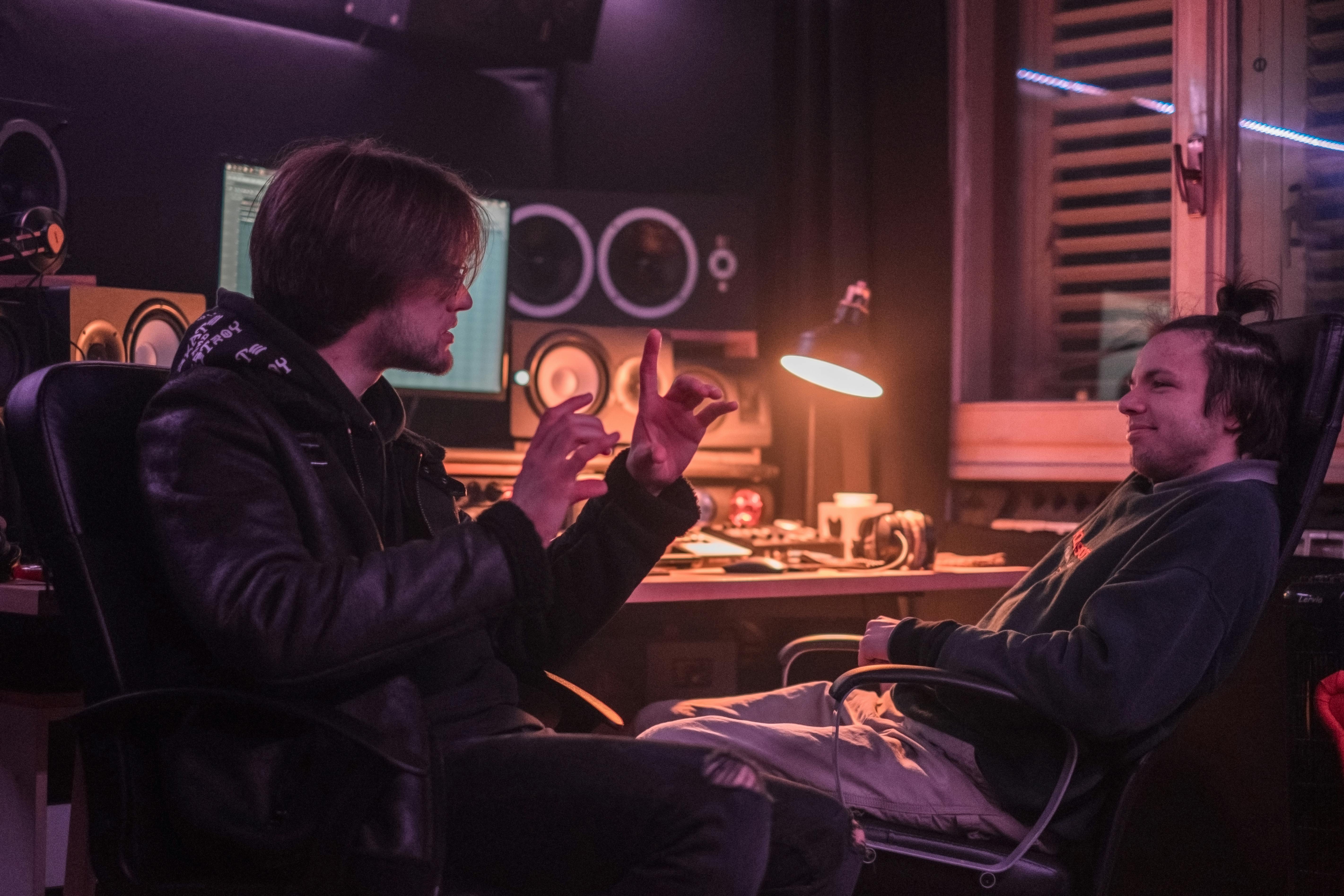
Sam Rose came to Paul's studio in Liverpool for 1:1 lessons. What he found there wasn't a one-size-fits-all curriculum. It was targeted, honest work on the specific skills that were holding him back: arrangement, sound design, and mixing — the three pillars that determine whether a track has the emotional arc and sonic authority to land with the artists and labels that matter.
This is what structured mentorship offers that self-study rarely does: an experienced ear that can identify exactly where the gap is, and a framework that closes it efficiently. The underground electronic music world is full of talent. What it's less full of is producers who know how to direct that talent with precision and intention.

The Turning Point
The track that changed everything was called "The Feeling."
It came together during a period when Sam Rose was working harder than he'd ever worked on his music — splitting his attention between a marketing internship in London and late nights in his bedroom studio. Homesick, without a social life, he poured that energy into production. But this time, the energy had somewhere to go. The technical and compositional work he'd done through his sessions with Paul James Nolan meant he knew what he was building toward.
"The Feeling" wasn't just a well-produced track. It had an arrangement that breathed. A sound design language that was distinctly Massano's own. An emotional weight that made it undeniable.
When Mind Against played "The Feeling" at Afterlife Tulum, Massano didn't even have an Instagram account. The next morning, he got a message from a label manager telling him he needed to make one immediately because people were actively searching for him. He built the account. Within days, he had thousands of followers.
That moment — completely organic, completely earned — illustrates something important about how the underground music industry actually works. A track either has it or it doesn't. No amount of networking or self-promotion can manufacture what "The Feeling" had. But the skills required to produce a track at that level don't arrive by accident. They are built, deliberately, through the right kind of work and the right kind of guidance.
COVID arrived two months later, shutting down touring before Massano had a chance to capitalise on his momentum in rooms. But that period of stillness extended the work. He kept producing. Kept developing. By the time live music returned, he had a body of work ready to go and an audience that had been waiting.
Breaking Through — Afterlife, Drumcode, and Beyond
The post-COVID period was when everything accelerated.
His debut on Afterlife — the "In My System" EP — was a statement of intent. The four-track EP went to number one on the Beatport Releases chart. "Drown" broke into the top ten across all genres on the platform. Every track on the EP landed in the top five of the Melodic House & Techno chart. This wasn't a slow build. This was an arrival.
Afterlife — the label founded by Tale of Us and one of the most prestigious imprints in underground electronic music — isn't a label that signs artists out of obligation. It signs music that fits a very specific emotional and sonic language. Landing on its roster, and then returning for the "Shut Down" EP, placed Massano firmly among the artists defining the genre.
Drumcode followed. The Adam Beyer-helmed techno institution represents a different energy — harder, more industrial, uncompromising — and the fact that Massano has music on both Afterlife and Drumcode speaks to the genuine range and authority in his productions. Very few producers sit credibly across both.
The collaboration with CamelPhat — the Liverpool duo who are themselves one of electronic music's most decorated acts — came through Massano's own Simulate Records label. The "Oblivion" EP brought CamelPhat's signature melodic synth work and powerful vocal approach together with Massano's hard-hitting, dark production style. It's worth noting that CamelPhat were among the artists who inspired Massano when he was starting out. That the collaboration materialised through his own label is not a small detail.
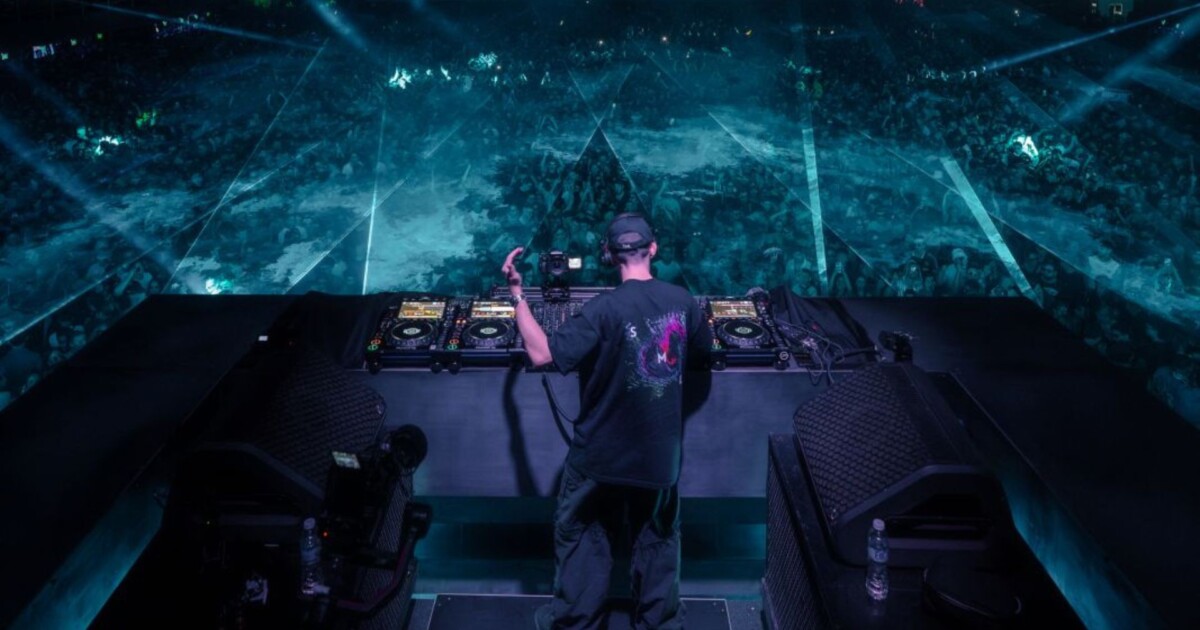
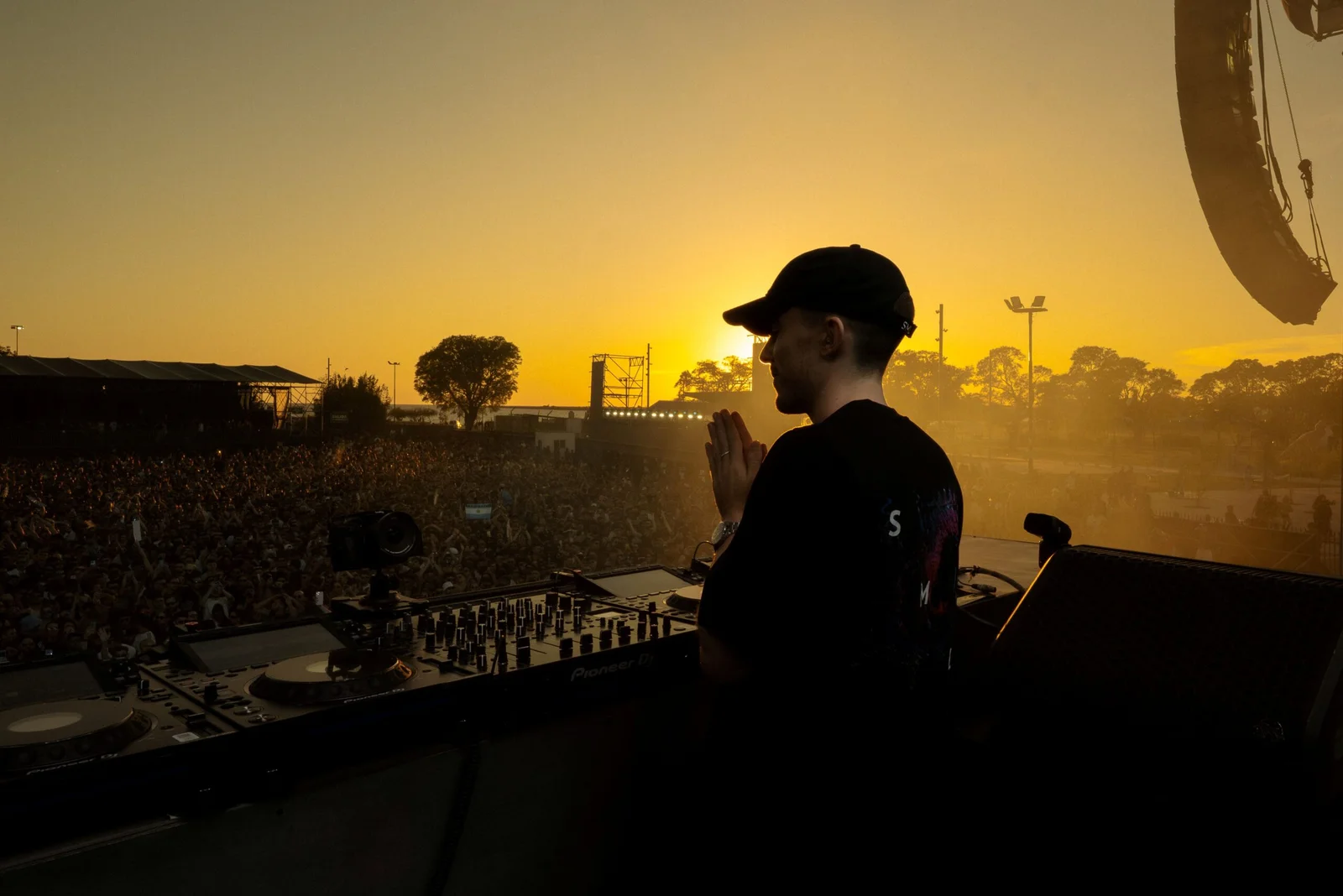
Support across this period has come from virtually every major name in the scene — Tale of Us, Adam Beyer, Adriatique, Artbat, Calvin Harris, David Guetta, Fisher, Pete Tong, and Vintage Culture among others. His live schedule has taken him to Time Warp Brazil, Kappa FuturFestival, Creamfields, Fabric, Ushuaïa Ibiza, and Wembley Arena.
What the Massano Story Means for You
It's easy, looking at where Massano is now, to assume the distance between his starting point and his current position was some combination of exceptional natural talent and good fortune. That's not what the story actually shows.
What it shows is a producer who was genuinely talented but directionless — working without the structure, feedback, and industry knowledge needed to close the gap between what he could hear in his head and what he was actually making. And who found, through working with the right mentor at the right stage of development, a way to build that gap closed with intention.
The underground electronic music industry is brutally honest. Labels like Afterlife and Drumcode don't sign artists as favours. They sign music that is undeniably, objectively at the level it needs to be — in terms of production quality, emotional impact, and sonic identity. Getting to that level requires talent, without question. But it also requires a clear-eyed assessment of where you currently are, a roadmap for getting to where you need to be, and honest feedback from someone who knows what the destination looks like from the inside.
If you're struggling to understand why your tracks aren't landing with labels, why the feedback loop is so opaque, or why the distance between where you are and where you want to be feels impossible to close — the honest answer is that you probably need exactly what Sam Rose found when he walked into Paul James Nolan's studio: a structured development process with someone who has been deep inside the industry and knows what it actually takes.
Ready to Make Your Transition?
MYT — Make Your Transition — is the artist development platform built for electronic music producers who are serious about a career. Founded by Paul James Nolan, it brings together 17 years of coaching expertise with a deep understanding of what the underground music industry demands and rewards.
The MYT AAA programme offers courses, mentorship, track feedback, and a community of producers working toward the same goals — alongside Paul's direct experience performing for promotions like Cream and working with artists including Sasha, JunkieXL, Arthur Baker, and The Martinez Brothers.
Massano's story is real. He is the most prominent example of what MYT's development approach produces — but he is not the only one.
If you're ready to stop guessing and start building — with the right framework, the right feedback, and guidance from someone who knows exactly what it takes — this is worth your attention.
Learn more about the MYT Artist Development Programme →
The Underground Rewards What You Build
There is a version of this industry that is about connections, about being in the right city, about knowing the right people. That world exists. But it's not the world that produced Massano.
What produced Massano was a young producer from Liverpool who taught himself to produce in his bedroom, found the right mentor at the right stage of his development, applied himself to the craft with a seriousness and focus that most people don't sustain, and made music that was genuinely impossible to ignore.
The underground electronic music industry, at its best, is a meritocracy of the ear. It rewards music that is honestly excellent. Getting your music to that standard is not a mystery — but it is work, and it is most effective when done with structure, accountability, and guidance from someone who has been where you want to go.
That combination — talent, strategy, the right guidance, and the determination to apply all three — is what the Massano story actually teaches. Everything else: the label signings, the collaborations, the festival stages — followed from that foundation.
Build the foundation. The rest becomes possible.
WE MAKE ARTISTS
Too many talented DJs & Producers can't get signed to the record labels they need to be to break through.
MYT uses in-depth Track Feedback, Live Masterclasses, Personal Coaching and Courses, to support our Community to become full time Electronic Music Artists
Stay connected with news and updates!
Join our mailing list to receive the latest news and updates from our team.
Don't worry, your information will not be shared.
We hate SPAM. We will never sell your information, for any reason.

